From Paper to Platform: The UK’s Journey to Making Tax Digital for VAT
For decades, the UK’s VAT system relied on traditional methods of paper records, spreadsheets, and manual submissions. Businesses calculated their VAT returns periodically and typed figures into HMRC’s online portal. It was a system built on trust, but also on inefficiency. Errors were common, compliance was reactive, and enforcement often lagged.
Then came a turning point
In 2019, HMRC launched Making Tax Digital (MTD), a bold initiative to modernise tax administration. By 2022, MTD became mandatory for VAT registered businesses. The goal was clear: to reduce errors, improve compliance, and streamline enforcement through digital technology.
Under MTD, businesses are now required to keep VAT records digitally using functional compatible software. These tools connect directly to HMRC via Application Programming Interfaces (APIs), allowing for real-time data exchange. Manual entry is replaced by automated calculations, and submissions are made directly from software to HMRC.
But this digital leap raised new questions
Suzzy, a PhD researcher at Coventry University, saw an opportunity to explore the legal implications of this transformation. Her research asks: Is MTD legally sound? Is it inclusive? Is it truly efficient? To what extent is MTD moving VAT registered businesses towards compliance?
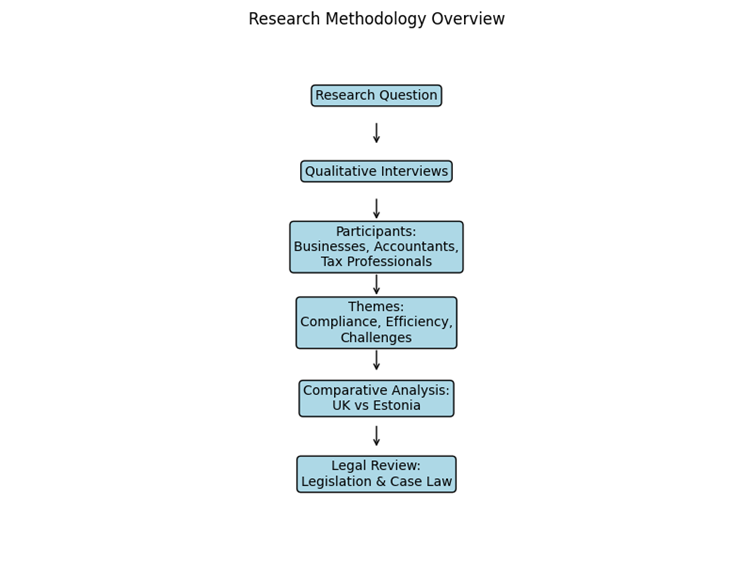
Through doctrinal legal analysis, comparative studies with countries like Estonia, and qualitative interviews with businesses and tax professionals, Suzzy’s work uncovers the gaps and ambiguities in the legal framework. While legislation like the Finance Act 2017 and VAT Regulations 2018 support MTD, case law reveals challenges around accessibility, consent, and clarity.
Her research also highlights the risk of digital exclusion, especially for those with limited access to technology or digital literacy. And while MTD promises efficiency, its success depends on system compatibility across jurisdictions, a goal not yet fully realised.
The UK’s transition to MTD is a story of innovation, but also of complexity. Suzzy’s research offers a critical lens on this journey, aiming to inform future reforms and ensure that digital tax systems are not only effective, but also fair and legally robust.
Methodology: A Qualitative Legal Inquiry
Suzzy uses qualitative interviews to explore how businesses, accountants, and tax professionals understand and experience the MTD framework.
Click here for more information about how to participate in qualitative interviews 📢 Get Involved – Exploring the Legal Efficacy of Digital VAT Enforcement in the UK