VISUAL COMMUNICATION

Visual communication is the process of creating experiences and conveying information through a variety of visual media. It can be seen in advertising, photography, illustration, design, and marketing; it could be a picture, a phrase, a commercial, a movie, or an animation.
Visual communication is an effective technique for expressing ideas, evoking feelings, and motivating people to take action. Many artistic individuals have influenced the field of visual communication throughout history, pushing boundaries and influencing future generations of designers. Paul Rand, Saul Bass, Milton Glaser, and Stefan Sagmeister. These experts in their field revolutionized visual communication, making a lasting impression on experimental typography, movie posters, corporate branding, and classic artwork.
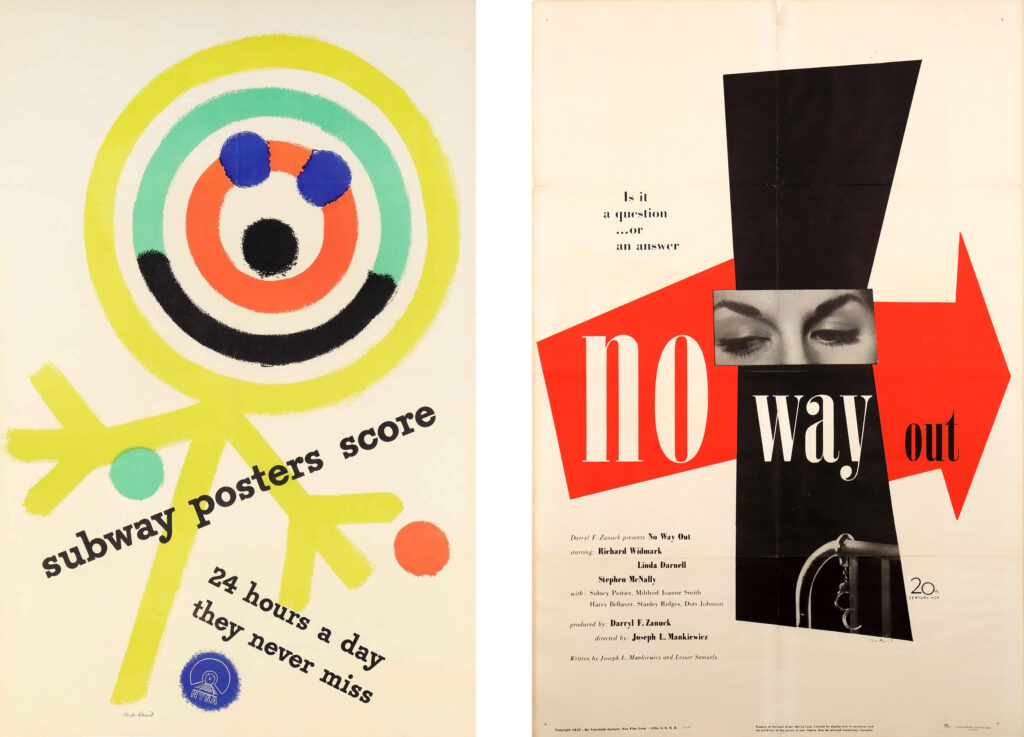
Paul Rand
Simplicity / clarity / power of colour / enduring legacy
Paul Rand’s designs were characterized by their clarity and simplicity, emphasising the core message of a business. His recognisable and memorable logos are easily recognisable, such as those for IBM, UPS, and ABC. According to Rand, a clear message should be communicated visually without needless clutter by being concise and powerful.
Rand was a master at using colour to create particular feelings and establish visual hierarchy. He saw the power of colour to boost brand identification, draw attention, and convey message. For example, his choice of colours for IBM and ABC represented professionalism and dependability, energy, and inventiveness, respectively. To this day, Rand’s designs have a lasting effect on designers, motivating them to develop memorable visual identities that connect with consumers. His creations are still admired and studied today as examples of the effectiveness of simplicity and clarity in visual communication
147: PAUL RAND, No Way Out poster | Wright20.com. (n.d.). Wright: Auctions of Art and Design. https://www.wright20.com/auctions/2020/02/american-design/147

Milton Glaser
Iconic illustrations / playful typography / humanist approach / global impact
Milton Glaser is known for his vivid graphics and logos, which are instantly recognisable and frequently linked to social change and cultural revolutions. His enduring “I NY” emblem is proof of his capacity to produce elegant, timeless designs that cut beyond boundaries of time and society.
Glaser was a master of typography who frequently used experimental and light-hearted designs in his creations. His designs gained a distinctive touch from the use of vivid colours and unusual letterforms, which made them visually arresting and unforgettable. Glaser was a firm believer in the emotional connection that design might make with people. His humanist ideals of valuing diversity, advancing social justice, and developing a feeling of community were frequently reflected in his work.
Glaser’s creations have influenced fashion designers worldwide, encouraging them to apply their imagination to societal challenges and change the world. His work continues to motivate designers and artists to apply their talents to bring about constructive change.
115: MILTON GLASER, Images of Labor, original art for Smithsonian Institution poster | Wright20.com. (2020). Wright20.com. https://www.wright20.com/auctions/2020/07/to-inform-delight-the-collection-of-milton-glaser/115

Stefan Sagmeister
Pushing boundaries / meaningful communication / honest and transparent / international recognition
Stefan Sagmeister is renowned for his audacious and inventive design philosophy, which pushes the limits of visual communication and typography. Three-dimensional components, humorous typography, and unconventionally conceived designs are frequently used into his work.
According to Sagmeister, design ought to provoke feelings and start conversations in addition to conveying facts. His art frequently uses visual language to connect viewers on a deeper level as it examines difficult subjects like happiness, fear, and the purpose of life. Sagmeister is renowned for taking an open and sincere approach to design, frequently sharing the thought process and life events that influence his creations. His designs are approachable and inspirational because of his openness to share his ideas and flaws.
Sagmeister has received a great deal of praise and acclaim for his work on a global scale. A generation of designers has been inspired by his avant-garde approach to design, which pushes them to think creatively and unconventionally in order to make an impact
Griggs, C. (2011, October 3). KNSTRCT. KNSTRCT. https://www.knstrct.com/art-blog/2011/10/03/an-insightful-interview-with-stefan-sagmeister