Data Collection on Transgenerational Trauma
Numerous studies have demonstrated the profound effects of inherited trauma from the 1994 genocide, and the prevalence of mental health problems among Rwandan youth impacted by transgenerational trauma is noteworthy. According to the Rwanda Biomedical Centre’s (RBC) 2018 Rwanda Mental Health Survey, 27.4% of young Rwandans (ages 14 to 25) suffer from psychological disorders, such as social isolation, depression, anxiety, and trauma symptoms. Due to the trauma their parents endured, the lingering effects of social stigma, and the dearth of support systems for mental health care in Rwanda, many of these young people struggle with their mental health.
Children of survivors of genocide frequently experience particular difficulties, such as social isolation, trouble in social and academic settings, and identity problems related to unresolved trauma in their families. In order to create safe spaces for Rwandan youth to process and overcome inherited trauma, programs like UNICEF’s sociotherapy groups and community-based interventions seek to offer peer support and mental health resources.
The stigma associated with mental health disorders and the scarcity of mental health resources in Rwanda exacerbate transgenerational trauma, which further discourages young people from seeking treatment. There are still many obstacles to overcome in the ongoing efforts to integrate mental health services in communities and schools, including a lack of mental health professionals and a lack of knowledge about resources for adolescents and young adults who need mental health support.
The need for structured mental health support specifically designed for Rwandan youth, especially those dealing with inherited trauma, is highlighted by the UNICEF Adolescent Mental Health Landscape Assessment. It is advised to support the mental health of young Rwandans affected by transgenerational trauma by fostering family-based healing conversations, integrating psychosocial programs in schools, and increasing community-based support.
Case Studies
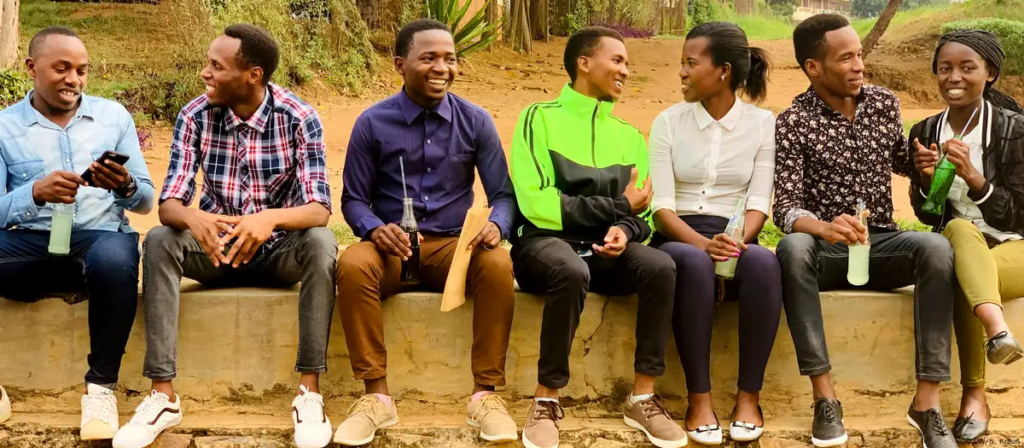
Liliane Niyigena’s Story:
21-year-old Liliane, who is pursuing a career as a psychiatric carer, talks about how difficult it is for her to comprehend who she is as the daughter of genocide survivors. She talks about how she and her peers were profoundly impacted by the intensity of the emotions at commemorative events. These occasions frequently elicit strong emotional responses in young people while also assisting them in understanding the scope of the past. Liliane has discovered that intergenerational silence regarding the genocide leaves her with unanswered questions about her heritage as she searches for answers to personal and familial trauma. She participates in “Generation After” programs at the University of Rwanda, where young people process the trauma experienced by their parents and community in an effort to find a path towards understanding and healing. (DW, 2019)
Welle (www.dw.com), D. (n.d.). The trauma of Rwanda’s post-genocide generation | DW | 03.07.2019. DW.COM. https://www.dw.com/en/the-trauma-of-rwandas-post-genocide-generation/a-49458872
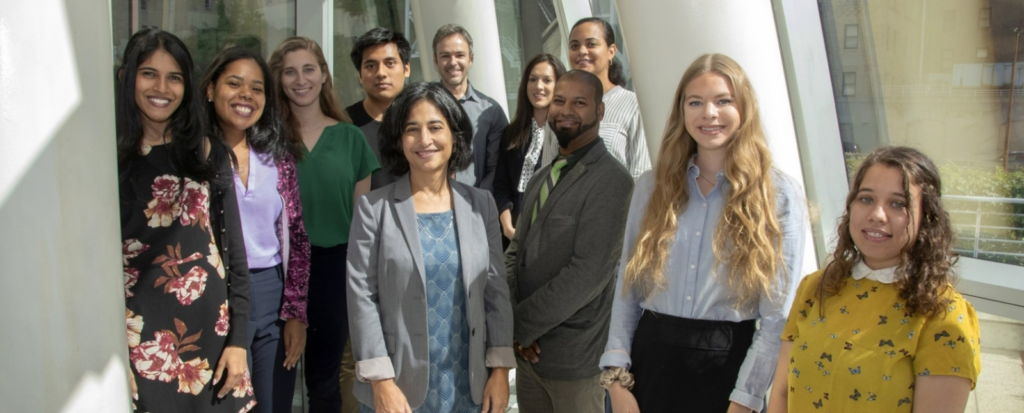
Belinda Busogi’s Research Journey
Belinda, who was born in Kenya to Rwandan survivors of the genocide, felt cut off from her peers and her family’s traumatising past while growing up in the United States. She started a transgenerational trauma research project at Columbia University because she was driven to comprehend how her own mental health was impacted by her parents’ experiences. In order to assist future generations in ending this cycle, Busogi’s research delves into the biological and psychological mechanisms of trauma transmission. Her research demonstrates how trauma can be passed down through genetic alterations and family dynamics, increasing the likelihood that young people like herself will experience anxiety and depression.
A Child of the Rwandan Genocide Seeks to Stop the Transfer of Trauma to Future Generations. (2022, May 9). Columbia University Department of Psychiatry. https://www.columbiapsychiatry.org/news/child-rwandan-genocide-seeks-stop-transfer-trauma-future-generations
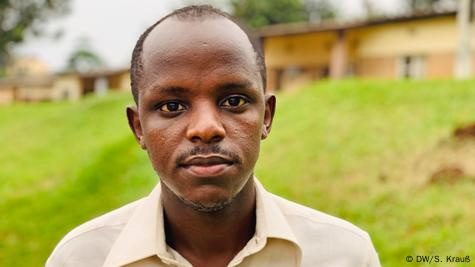
Joseph Kalisa’s Experiences:
Belinda, who was born in Kenya to Rwandan survivors of the genocide, felt cut off from her peers and her family’s traumatising past while growing up in the United States. She started a transgenerational trauma research project at Columbia University because she was driven to comprehend how her own mental health was impacted by her parents’ experiences. In order to assist future generations in ending this cycle, Busogi’s research delves into the biological and psychological mechanisms of trauma transmission. Her research demonstrates how trauma can be passed down through genetic alterations and family dynamics, increasing the likelihood that young people like herself will experience anxiety and depression.
A Child of the Rwandan Genocide Seeks to Stop the Transfer of Trauma to Future Generations. (2022, May 9). Columbia University Department of Psychiatry. https://www.columbiapsychiatry.org/news/child-rwandan-genocide-seeks-stop-transfer-trauma-future-generations