Symbolic Representation of Healing
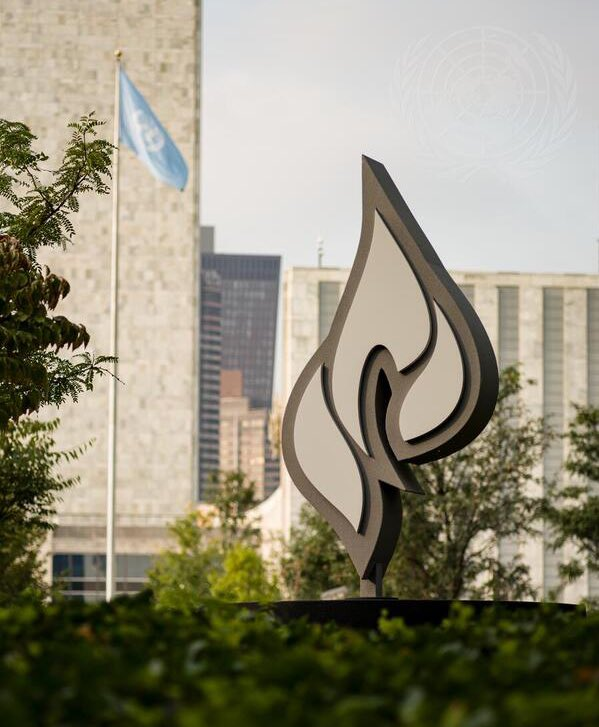
The Kwibuka Flame of Hope would be the most appropriate and potent symbol for my project because of its close ties to Rwandan unity, resiliency, and memory. Because it symbolises both the traumatic past and the dedication to a better, more resilient future, this flame embodies the themes of cultural roots and modern solutions.
Particularly during the yearly Kwibuka memorial services for the 1994 genocide, the Kwibuka Flame of Hope is a powerful symbol of national unity, resiliency, and remembrance in Rwanda. It symbolizes the nation’s sorrow and its resolve to move past it. It is lit at the beginning of the 100-day national mourning period. This flame is a significant symbol for dealing with trauma and mental health because it represents resiliency and group healing. Rwanda’s journey from past trauma to resilience and community healing can be highlighted by incorporating the Kwibuka Flame with other symbols such as the Agaseke basket, Imigongo art, and traditional weaving techniques. This will further reinforce the message of “cultural roots, modern solutions.
Kabrasha la Sauti. (2024, October 28). Habari Za UN. https://news.un.org/sw/audio-hub?page=7&jw_start=%7Bseek_to_second_number%7D
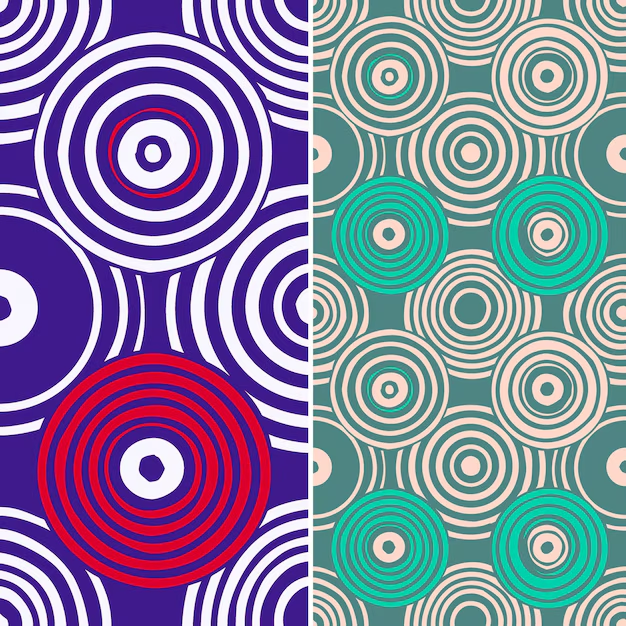
Imigongo is a traditional art form from Rwanda that consists of geometric or spiral designs, usually in striking black, white, and red hues, created from cow dung combined with natural pigments. Originally used as a decorative technique, this art form has developed into a cultural symbol that represents beauty and resiliency emerging from adversity. In museums, cultural institutions, and public areas, Imigongo patterns are used as a visual reminder of Rwanda’s rich cultural legacy and its capacity for reconstruction and healing. Including Imigongo patterns in your project’s visual components could offer a powerful, symbolic connection to Rwandan traditional artistry and cultural resiliency.
Rwandan Imigongo Patterns With Geometric Shapes and Spirals PNG Traditional Abstract Designs | Premium AI-generated PSD. (2024). Freepik. https://www.freepik.com/premium-psd/rwandan-imigongo-patterns-with-geometric-shapes-spirals-png-traditional-abstract-designs_225847638.htm
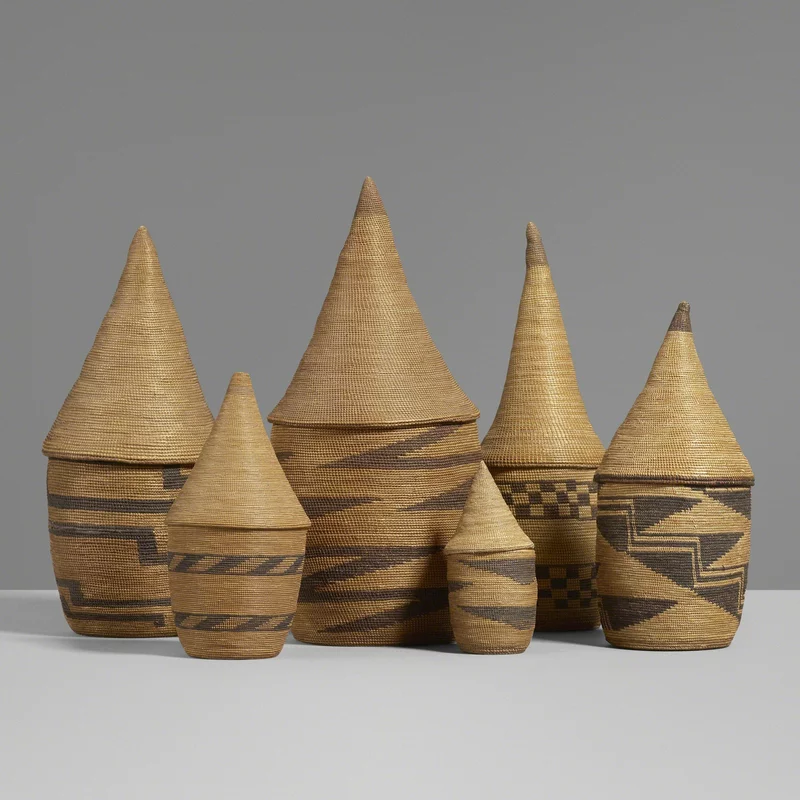
In Rwanda, the Agaseke basket—also referred to as the peace basket—is a potent symbol of harmony, peace, and cultural resiliency. This basket, which is traditionally woven by women, highlights the enduring power of family and community ties by representing the intergenerational ties that are passed down from mother to daughter. Agaseke baskets are made with elaborate designs, such as zigzags, which represent two women holding hands, a sign of support and collaboration. This emblem has become so essential to Rwandan identity that it is featured on both the national coat of arms and currency, highlighting its connection to a new beginning, peacemaking, and optimism for the country’s future.
Collection of six Agaseke (baskets) | Artsy. (2016). Artsy.net. https://www.artsy.net/artwork/collection-of-six-agaseke-baskets
Emphasizing Positivity and Empowerment
Hopeful tone:
Words like “hope,” “future,” and “opportunity” are highly inspiring and contribute to a feeling of possibility. For instance, “Hahirwa umuryango wacu” (our family is blessed) expresses a sense of solidarity and the possibility of achieving success as a group. It is possible to balance the trauma-focused elements and motivate young people to take steps toward healing by using language that conveys progress and possibility.
Empowerment:
By highlighting their capacity to overcome obstacles, phrases like “kudacika intege” (not giving up) and “ububasha” (power/strength) can empower young people. These remarks support the notion that young people possess the power to influence their own destinies and make constructive contributions to society.
Ownership:
Using phrases like “twese hamwe” (together we can) or “dushyigikiye hamwe” (we support each other) helps young people develop a sense of shared accountability and ownership. They actively participate in their own recovery and development rather than being passive recipients.
Healing and Growth
Healing:
When it comes to both individual and group trauma recovery, the word “gukira” (healing) is particularly meaningful to Rwandan youth. This highlights the significance of community in the healing process when combined with expressions like “gukira twese” (healing together) or “kwakira ibikomere” (healing the wounds). The concepts of beginning anew and conquering hardship can also be promoted by using “ubuzima bushya” (new life) or “imbaraga nshya” (new strength).
Growth:
he term “gukura” (growth) is highly empowering and denotes both personal and physical development. Phrases like “gukura no kubaka” (grow and build) inspire young people to believe that they are change agents. Nature-related terms, such as “nk’igiti” (like a tree) or “kwitumbagira” (to blossom), can be used metaphorically to describe personal development, implying that growth is possible and natural even in the face of adversity.
Community and Support
Solidarity and Unity
The idea of “ubumwe” (unity) is essential to Rwanda’s post-genocide recovery and continues to be a major theme among young people. Strong statements that highlight the power of community and group effort include “twese hamwe” (together as one) and “turwanye intimba” (we fight pain together).
Support Networks
Phrases like “inkunga” (support), “ubufatanye” (collaboration), and “ubuvuzi bw’umuryango” (community healing) emphasise how crucial it is to ask for and offer assistance. Youth are encouraged to see mental health as something that can be fostered with the assistance of others when healing is framed as a shared responsibility. Support from the community is seen as crucial to overcoming obstacles in Rwanda.
Local Expressions and Proverbs
Proverbs, sayings, and metaphors that are derived from Rwandan culture tend to strike a deep chord with young people there. The proverb “Nta gikoma kitaraba amavuta” (No problem is insurmountable), for instance, can inspire young people to think that they can overcome obstacles. Using such expressions in your messaging can help it feel more relatable and culturally grounded.
Inclusive Language
It’s critical to erase the stigma associated with mental health by using language that is both inclusive and nonjudgmental. Openness and personal accountability in healing can be promoted by using phrases like “kwitaho” (to care for oneself and others) and “kwihanganira” (to endure with patience).
Healing: "Gukira", "kwakira ibikomere", "ubuzima bushya"
Growth: "Gukura", "kwitumbagira", "gukura no kubaka"
Community Support: "Ubuvuzi bw’umuryango", "inkunga", "ubufatanye"
Unity and Empowerment: "Ubumwe", "twese hamwe", "dushyigikiye hamwe"
Hope and Strength: "Imbaraga nshya", "Hahirwa umuryango wacu"