Partner University(s)/Organisation(s): Alfred Nobel University (Ukraine)
Project Overview:
This COIL project will explore, discuss and examine the support and systems in place to support individuals with learning disabilities within Ukraine, Kyiv and the UK, Coventry. The proposed activities within the online sessions are hoped to generate discussions, ideas and practical initiatives that are already in place, including other innovative practice that can be shared and initiated during student placement opportunities incorporating any psychological practice and how this compliments learning disability nursing and implementation to ensure person-centred care.
Introducing an interactive LD character Mask-Ed will provide students with an opportunity to ask him questions regarding his health. This will be followed by producing a care and treatment plan by students to support Mask- Ed.
Project Leader: Mitali Halder, Assistant Lecturer, Coventry University Wroclaw, Poland
Project Co-Leaders: Dr Vishnu Srinivasa, Associate Professor & Dr Preethi Srivastha, Assistant Professor, Manipal Institute of Technology, Bengaluru, India
Partner University(s)/Organisation(s): Manipal Institute of Technology, Bengaluru, India
Project Overview:
This innovative project fosters international collaboration between Coventry University Wroclaw, Poland, and Manipal Institute of Technology, India, to explore cutting-edge applications in the Internet of Things (IoT). Through interactive sessions, students engage in brainstorming, group discussions, and project development across diverse domains, such as healthcare, environmental conservation, and smart infrastructure. Over three weeks, participants create a project plan and prototype, highlighting societal impact and technical feasibility. This initiative enhances intercultural communication, innovation, and problem-solving skills, culminating in a presentation session that recognizes top projects and fosters academic and professional growth in IoT.
Two outstanding final project presentations deserve special mention:
Smart Parking System
Developed by: Yehor Boiko, Coventry University Wrocław, Poland
This intelligent parking solution leverages YOLOv11 for real-time object detection integrated with AWS cloud services to monitor parking availability dynamically. This project exemplifies the fusion of IoT and AI in creating scalable urban infrastructure solutions. A detailed project walk through and video have been shared via the dedicated Community AULA platform.
2. Fashionable Protective Device
Developed by: Debasish Tripathy & Chinmai R., Manipal Institute of Technology
This innovative wearable merges fashion with function by introducing a stylish, unobtrusive neck accessory equipped with advanced personal safety features. By incorporating dual cameras (Sony IMX219 and NoIR) for threat detection, an ESP32 microcontroller for edge processing, and multi-modal connectivity (Wi-Fi, Bluetooth 5.0, LTE, mesh networking), the device ensures secure, real-time data exchange. The system uses MQTT, CoAP, and TLS/SSL for encrypted communication and employs Google Vertex AI for intelligent threat analysis—delivering rapid, reliable protection with optimised power consumption for all-day wear.
Special Acknowledgments:
Coventry University Wroclaw, Poland:
Dr. Karolina Pokorska, Business Development Manager – A pillar of support throughout this journey, guiding the project lead through the entire collaboration process.
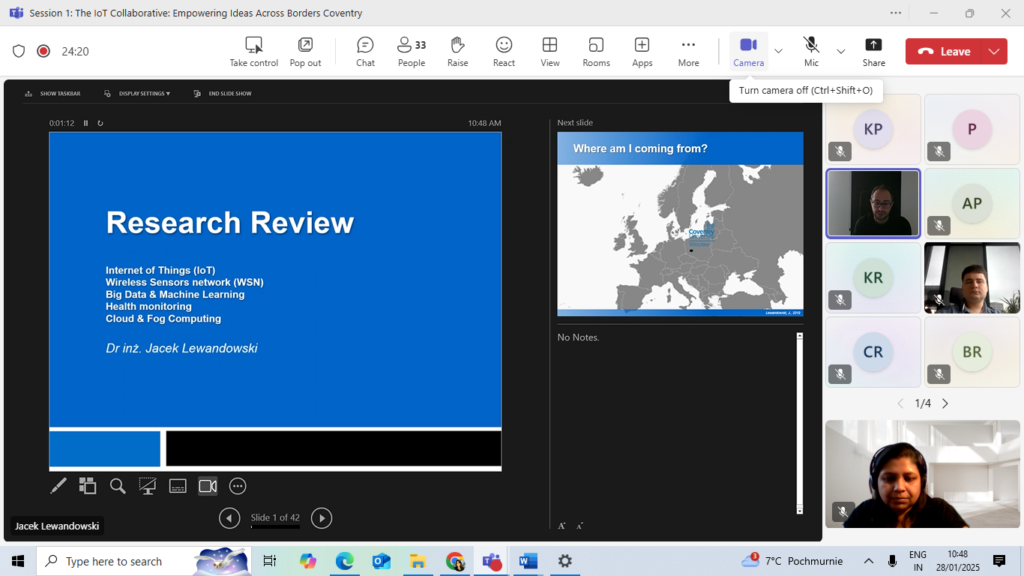
Dr. Jacek Lewandowski , Director & Assistant Professor – For fostering an environment of freedom and creativity, enabling modernization in academics. His contributions to the COIL project and his expertise in IoT played a crucial role in laying the foundation for project ideas and inspiring participants.
Manipal Institute of Technology, Bengaluru, India:
Dr. Anand Pal, Assistant Director, International Collaboration – Facilitated communication and helped identify the right domain experts for the event.
This particular COIL project focused on enabling students to have a broader cultural understanding and awareness of Psychological Trauma (often conceptualised as Post Traumatic Stress Disorder in the West, but this term is not culture free). A number of factors are known to lead to variation across cultures in understanding of trauma in spite of some universal factors. These include acceptable forms of cultural expression of trauma (Jayawickreme and Jayawickreme 2013) and the influence of the personal identity in a cultural context, i.e. the Cultural framework that the individual is given to make meaning of the experience (Jobson and O’Kearney 2008, Liddell and Johnson 2016). Individuals are also influenced in their view of trauma by environmental factors, such as “Community trauma”, traumas befalling entire countries, and the role of respected institutions, such as religious bodies.
Two Cohorts were identified, 25 Students from a Postgraduate Diploma in CBT in the UK, and 12 students from a health professions foundation degree in Sri Lanka. It is worthy of note that both cohorts have conflicts within their cultures. CBT relies on a formal medical model for assessment and diagnosis, but an individualised maintenance cycle and greater client centeredness for treatment. Sri Lanka is a country that has been moving towards implementing a westernised model of mental health but with strong traditional cultural influences continuing to exist.
The two authors were introduced via Coventry University’s Online International Learning hub, and devised the project. They each met live with their own cohort and independently, and both countries devised a statement regarding psychological trauma in their own country. They were provided with questions about culture free case studies to help inform their thinking. They were encouraged to ask questions of the other cohort at the end of their statement. Both statements were then placed on a shared learning platform, and the students from the other cohort were encouraged to review the other parties’ statement, picking out points of interest. Students from each cohort then met again to review the other party’s statement, construct a response, and respond to the questions provided by the other party. They were provided with the following framework as a guide.
I agree that…
I don’t think I have understood…
I am curious to know more about…
We don’t share the same perspective that…
I am surprised that…
The factors influencing our differences seem to be…
There seems to be a universal understanding that…
This aspect of your report adds to my understanding…
The responses were shared on a joint learning platform but are included here for reference. Each cohort was invited to read the other party’s response and pick out salient issues for discussion in a joint online meeting. The response statements are provided here:
A joint meeting then occurred to enable students to discuss salient points. A representative from each cohort made notes, and a joint statement regarding the whole group’s perspective on Psychological trauma was constructed from the notes, highlighting the issues from both countries and the interplay between them.
The project was exceptionally interesting for both Coventry University and IIHS. The UK cohort was eagerly inquiring about the dissemination of mental healthcare facilities among all citizens in Sri Lanka for the remedies of PTSD. Sri Lanka has a free healthcare system where private sector healthcare services operate simultaneously. The affordability of the services will be demarcated due to the geographical locations of the residents. In remote villages, people have fewer facilities compared to people in urban and semi-urban areas in the country. The countrywide hospital network is endeavouring to cater for the mental healthcare of the community. Buddhist meditation and some cultural practices have also been effectively used to control PTSD. The religious and national harmony and peace have created a new trend in Sri Lanka where people are finding solutions substantially with reconciliations in a broader context. Finally, there is a huge barrier that disturbs the mitigation of this issue: a stigma towards mental health disorders, therefore certain active measures should be taken to manipulate its reduction. The awareness and health education could play a pivotal role in this matter.
At the end of this COIL project, both cohorts could reach a greater understanding of cultural conceptualisations of PTSD in both the UK and Sri Lanka.
Online Tools Used: Open Aula, Zoom, Microsoft Teams
Project Leaders: Dr Stella Nalwanga and Mi-hwa Kang Yoon
Partner University(s)/Organisation(s): Jean Moulin Lyon 3 University (France)
Project Overview:
French students at Lyon Business School will be working with our students at Coventry University London to develop an eco friendly device for watering plants when one is not at home. Coventry University London students take on the role of business development consultants for the their French colleagues contributing to the below activity:
Product Research
Looking into sustainable/eco-friendly product materials for the plant pot packaging
Comparing price, availability & eco-friendly value of the products
Writing a comparison summary for the French students to decide on the product to use
Logo Design, Advertising Campaign & Speech
Providing feedback & alternatives to the teams ideas for logos and slogans
Helping the team re word their speech to make it flow better to become more persuasive
Marketing
Generating a marketing report for the team’s social media channels, advising them on things such as:
Instagram posts best time of day
Instagram Reels best time of day
Taking the team through the STOSTAC marketing method
Image: Final Company Logo
Online Tools Used: Aula, Email, Google Docs, Zoom, Microsoft Teams
Partner University(s)/Organisation(s): Makerere University (Uganda)
Image: Uganda TeamImage: Coventry University TeamImage: Coventry University Team
Project Overview:
The “Harmonizing Stakeholder Interests” COIL initiative comprised two distinct projects:
1. Wakiso Ministry Zonal Office Website Development Project:
➢ Objective: Enhance communication and information sharing between the public and officers at the Wakiso (Busiro) Ministry Zonal Office, specifically regarding land-related matters.
➢ Approach: Design and implement a website where the public can submit concerns related to property and land ownership and registration.
➢ Deliverable: A functional website developed and tested by a student from Makerere University, intended for use by the Ministry of Zonal Offices and the Ugandan population.
2. Livelihood Assessment of Project-Affected Persons (PAPs) in Kykaboga Village, Hoima District, Uganda:
➢ Objective: Evaluate the impact of development-induced displacement and resettlement on PAPs.
➢ Approach: Conduct a thorough assessment of affected households’ livelihoods.
➢ Deliverable: provided recommendations
Provide PAPs with skills that promote self-resilience and sustainability post resettlement. Suggest methods to minimize adverse effects on PAPs’ livelihoods during resettlement.
Students on the MBA Global Healthcare Management and Leadership course at Coventry University London provided consultation to the Ugandan student teams at Makerere University, Kampala, throughout the course of the two projects. They advised on website design and functionality, conducted research on United Nations’ policies regarding Accountability to Affected People following a resettlement and displacement due to a new project initiative.
Online Tools Used: Aula, Email, Google Docs, Zoom
Student Testimonials:
“This experience boosted my confidence in time management and dealing with intense work pressures, demonstrating my ability to handle multiple projects alongside coursework and to prioritize deadlines”. (THEERTHA SASEENDRAN, Coventry University London)
“The COIL project provided me with valuable real-world connections. As a consultant, I delved into extensive research to understand the structure, operations and culture in Uganda and at Ministry Zonal Offices in order to provide valuable feedback to our peers in Uganda.” (SRUSHTI SAKPAL, Coventry University London)
“I learned collaboration…working with a team that you are not sharing the same physical space with. How can you candle things together, how do you align your goals at both ends. That is something I learned from working with students from Coventry University and I feel other students should experience this at least once.” (OSMAN OBEDMONT, Makerere University Kampala).
Partner University(s)/Organisation(s): University of Applied Sciences: Windesheim (NL); Dokuz Eylul University (TR); North-West University (ZA); Coventry University London (GB)
Project Overview:
Working across time zones national borders and pedagogical cultures, a diversity of twelve Coventry students were appointed to one of ten student groups to research and complete a stakeholder analysis of several countries’ stakeholders, to investments in their respective countries by Huawei telecommunications company of China.
Image: Some of the participating students, happily and proudly showing their certificates; accompanied by Roman Puchkov and Callum Morrison
Each group comprised a mixture of students from four partner universities who quickly established working relationships, divided responsibilities, learnt the power/interest framework and divided the parts of a stakeholder analysis between group members. This was the second time Coventry had participated in this project and we sought to prove scalability & the project’s appropriateness for a diversity of undergraduate and postgraduate students.
Over a period of five weeks, the students progressively completed their stakeholder analyses, and meantime, frequently reported their progress to a committee of academics; particularly their working relationships and interactions in the context of Hofstede’s cultural dimensions, and Lewin’s change model. Some 45 students and 15 nationalities took part in the International Relations (Stakeholder) Project #2.
In conclusion, the project proved its scalability and appropriateness for a diversity of student courses. It developed the students’ hard and soft skills. For instance, the skills of establishing relations, networking, communication, intercultural, and teaming skills. All the students were very pleased with their participation.
Image: A photo from a stakeholder analysis training session, showing a whiteboard and the Power/Interest framework
Online Tools Used: Teams, Outlook, Google Docs, PPT
Partner University(s)/Organisation(s): University of Applied Sciences: Windesheim (NL); Widener University (US); Coventry University London (GB)
Project Overview:
Working across time zones, national borders, & pedagogical cultures, eight Coventry postgraduate students were each appointed to one of six student groups to research and complete a stakeholder analysis of US stakeholders to an investment in the USA by Huawei telecommunications company of China. This was the first time Coventry had participated in this project, and thus it was a trial run.
Image: The eight participating students proudly showing their certificates; accompanied by Hanna Yakavenka and Callum Morrison
Each group comprised students from all three partner universities who quickly established working relationships, divided responsibilities, learnt the power/interest framework, and divided the parts of the stakeholder analysis between their group members. The Coventry students were all postgraduate, final term dissertation students.
Over a period of five weeks, the students progressively completed their analyses and considered their working relationships and interactions in the context of Hofstede’s cultural dimensions, and Lewin’s change model. Some 25 students, and 13 nationalities took part in the International Relations (Stakeholder) Project #1 – the students and I were very pleased with their participation in this COIL project, and therein, the university decided for future participations. (Callum Morrison)
Image: The respective national flags and the university trademarks of the three partner universities
Online Tools Used: Teams, Outlook, Google Docs, PPT
Image: Project productImage: Students from the partner institutionImage: Students from Coventry University
Academic Year: 2022-23
Project Leaders: Stella Nalwanga, Mi-hwa Kang Yoon
Partner University(s)/Organisation(s): IAE Lyon School of Management (France)
Project Overview:
In this COIL project Coventry University students acted as consultants who carried out a market research for the Lonely Socks mini-company created by 9 students from IAE Lyon School of Management as part of a university project.
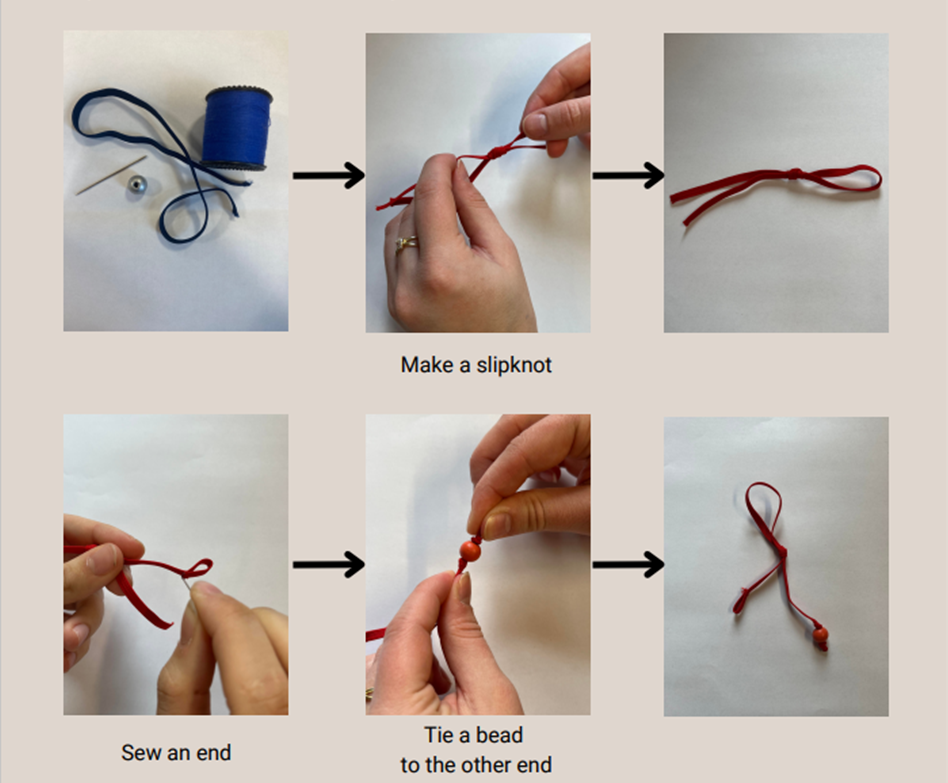
Within this project, the French students tried to find a solution to a reoccurring problem of losing socks, especially when managing the laundry, and came up with an idea of creating a little clip that keeps socks together. They produced these simple but innovative clips themselves using a rubber cord and wooden beads which made them not only environmentally-friendly but also profitable.
The students then worked together on a product marketing strategy. They designed a survey which targeted 200 people both in France and England and gave them an idea of what distribution channels could be used if the product was to be commercialized. The brand image and product were promoted via various social networks.
Online Tools Used: Google Docs, Microsoft Teams, Padlet
Project Leaders: Dr Kemi Chukwuma-Nwuba, Tanya Vidanagama
Partner University(s)/Organisation(s): Cape Peninsula University of Technology in South Africa (CPUT), University of Applied Sciences and Arts of Southern Switzerland (SUPSI), University of CEMA in Argentina (UCEMA), American University of Ras Al Khaimah in United Arab Emirates (AURAK)
Project Overview:
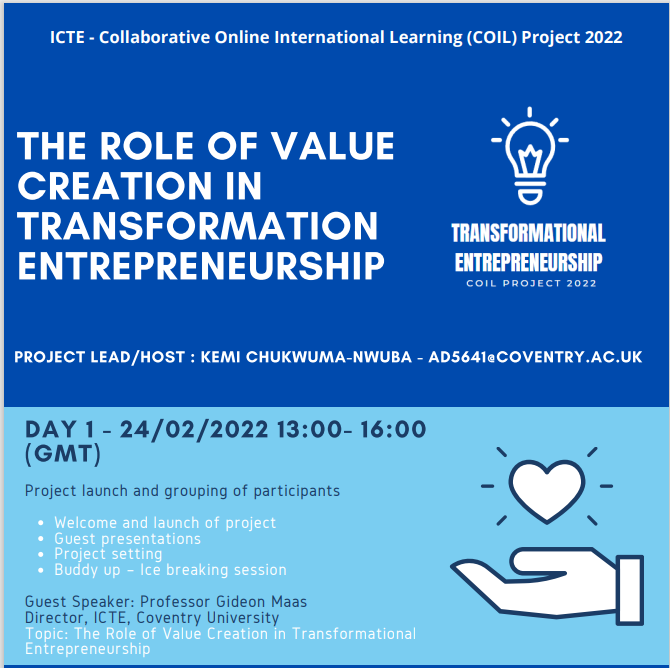
This Collaborative Online International Learning (COIL) project involved all ICTE (International Centre for Transformational Entrepreneurship) students from Coventry University and students from four international institutions in Africa, Asia, Europe, and South America respectively. The aim of the project was to identify a problem in any community and create a hypothetical venture to solve that problem. In doing this, the following ingenuity process questions were to be applied: Who is affected by the problem? What are the consequences? When does it occur? Where is it prevalent? How is the problem manifested? The Business Model Canvas was used to present the plan of the ventures including an audit of the skills needed for the venture.
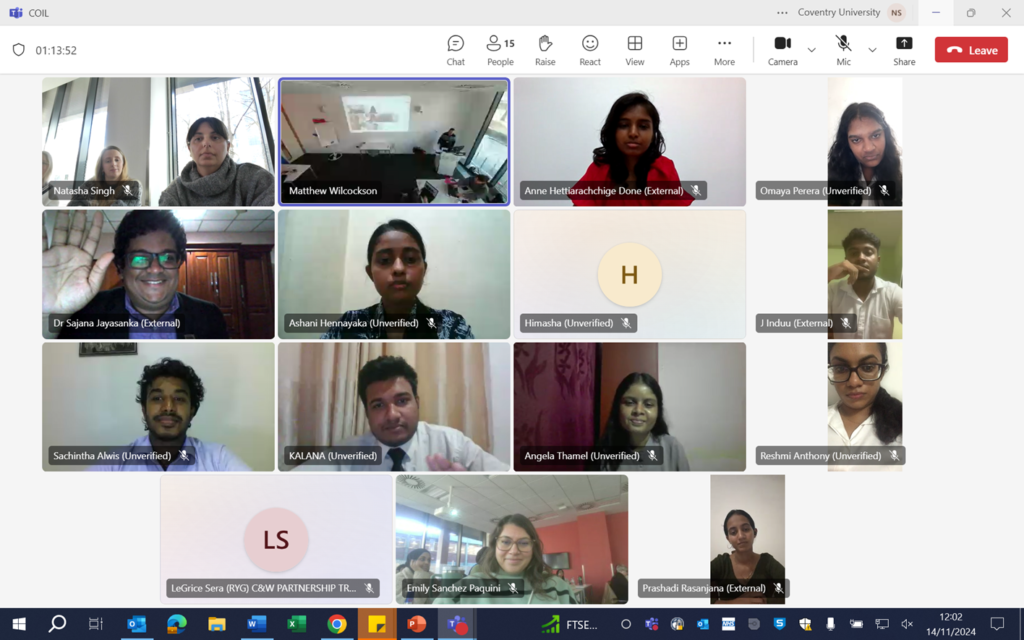
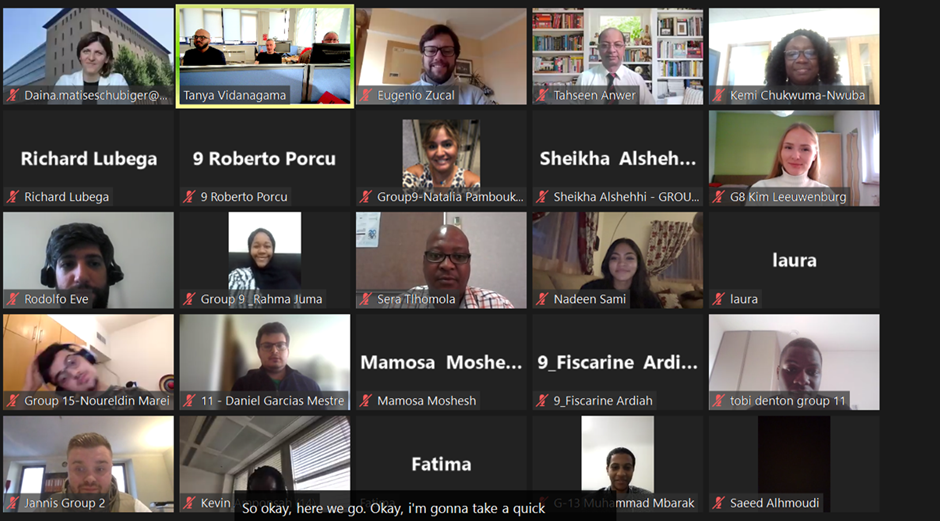
Image: Screenshot of students participating in a zoom conference with a keynote speaker
The project lasted for five weeks with a total of 123 participants assigned into 15 groups. Each group presented their projects on creative posters. Subsequently, the best three projects were selected by the panel of judges comprising of two academics and two business owners in Coventry, who are the executives of Business Network International (BNI).
The participants had the opportunity to collaborate internationally on the project, share ideas with others which helped them develop confidence in their own knowledge while additionally increasing their social capital. Despite the varying time zones, we were still able to manage the project effectively.
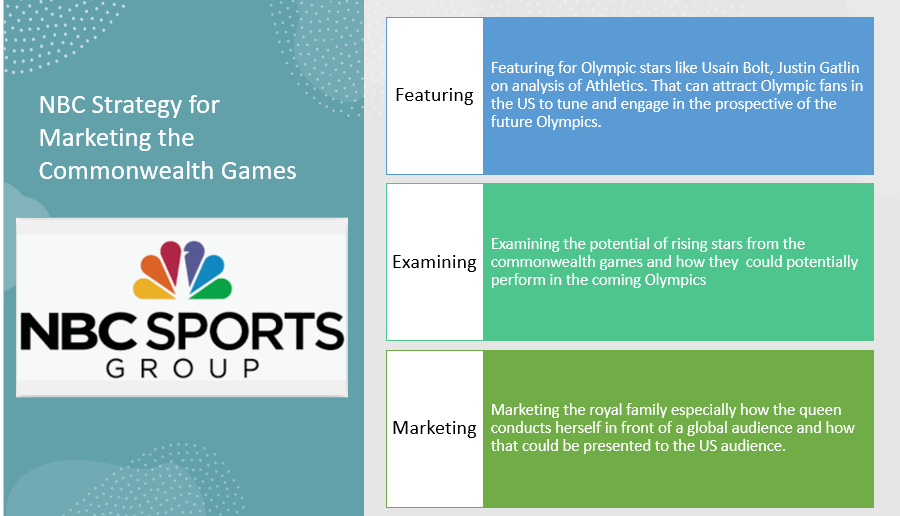
This Collaborative Online International Learning (COIL) project involved students from Coventry University participating in a Q&A session with the executive director of revenue generation at NBC Sport, the US broadcaster. After the Q&A session students were tasked with pitching a case for NBC to buy the rights to broadcast the Birmingham 2022 Commonwealth Games. This was presented to Alex Khilnani from NBC, who provided their feedback to the class for a follow up discussion.
This virtual exchange allowed students to consider the opportunities and obstacles of presenting broadcasted sporting events in different countries, in particular an event in which the broadcasting country would not be competing in. In addition to this, students gained an insight about how NBC Sport works with existing global sports events such as the Olympic Games, especially surrounding issues such as time zones, new media, and the ability to shift between cultural environments.
This website was created using Coventry.Domains, a service of the Coventry University Group. The information, views, opinions and discussion contained on this website are those of the author(s) and do not necessarily reflect the views and opinions of the Coventry University Group. For more information on privacy, cookies, takedown requests and more, visit our policies page.