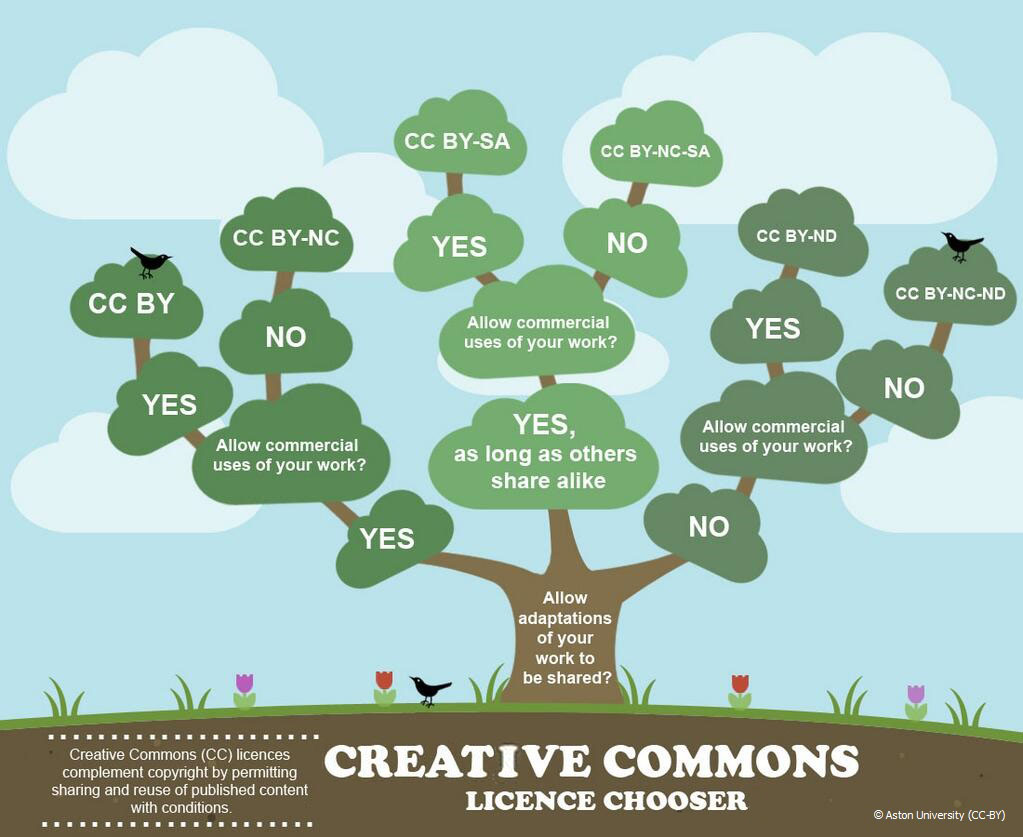
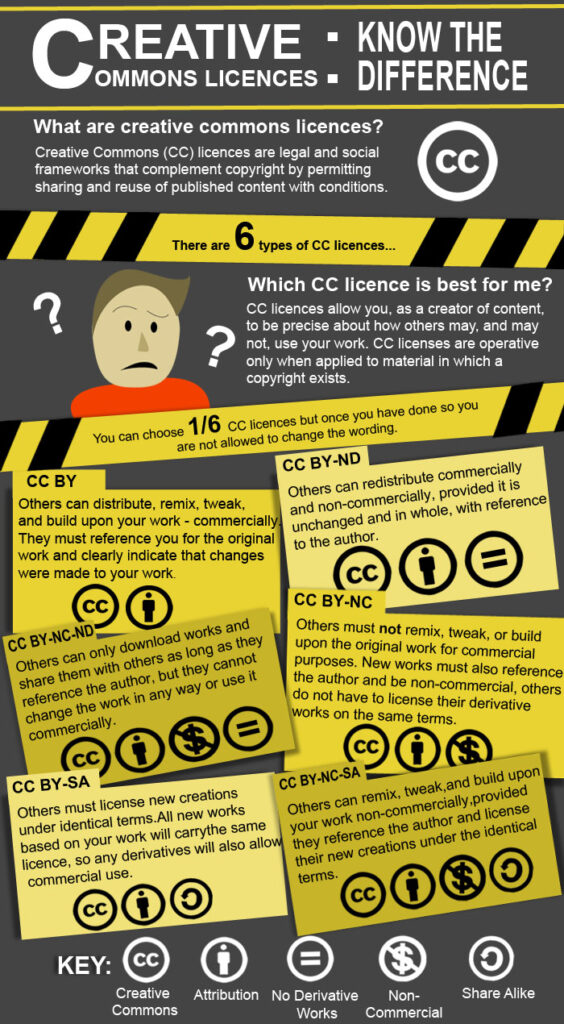
It depends on the purpose of your publication.
Technically, yes, you may apply one of the Creative Commons licences to your work even if it incorporates material used under fair dealing, which is another exception or limitation to copyright. Still, it is important to prominently mark any third-party material so re-users do not think the Creative Commons licence applies to that material.
The Creative Commons licence only applies to the rights you have in the work. For example, if your Creative Commons licensed slide deck includes a Flickr image you are using under any exceptions to copyright law, make sure to identify that image as not subject to the Creative Commons licence. For more information about incorporating work owned by others, see our page about marking third-party content.
Suppose you publish a new creation, for example, an Open Access journal article. In that case, it is better to seek permission from the copyright holder, making it clear that you will apply an open licence to the whole work. Whilst they’ll indicate to readers that their copyrighted resource is excluded from this licence, you cannot control downstream use. Unfortunately, it may increase the chance that the third-party copyright owner will reject the request, compared to a request for a ‘paywalled’ publication where distribution is more limited.
Extract from the Creative Commons’ Frequently Asked Questions webpage. It is available from https://creativecommons.org/faq/#may-i-apply-a-cc-license-to-my-work-if-it-incorporates-material-used-under-fair-use-or-another-exception-or-limitation-to-copyright [accessed on 2 February 2022]
The author takes no responsibility for the content of this page, which is not intended as binding legal advice. The views are about copyright in the UK Higher Education sector context.